

The Power of Q&A Journalling
Your inner voice already knows what to do
If you’re a Harry Potter fan like me, you might remember Tom Riddle’s diary. Ginny Weasley pours her heart out in the tattered, leather-bound black book and Tom’s responses mysteriously appear in reply.

That’s kind of what Q&A journalling is, except the questions come from YOU…not the voice of a hidden Horcrux with sinister intentions!!
It is a simple process of describing the situation at hand and then allowing your intuition to ask questions and dive below the surface.
Q&A journalling taps into a therapeutic process called cognitive defusion, described by Michelle Risser as ‘seeing thoughts as just thoughts, not facts’. It’s the act of stepping back from your thoughts and becoming the helpful questioner or coach.
This practice works best for situations where your behaviour, mood or thoughts are puzzling you. Perhaps a comment got under your skin far more than seemed proportionate. Or you can’t find the motivation for that project even though you it’s important to you (and the deadline is looming). Maybe you’re just feeling a sense of restlessness, and you can’t pinpoint exactly what you need.

How it works:
Start by asking yourself a simple question. Something like:
What’s going on?
You describe the situation on paper and your feelings about it.
Then, let the questions come up that help you peel back the layers.
Why might this be so difficult for you? Does it remind you of something in your past? Which part is particularly worrying/ triggering/ irritating?
Often, what arises are negative memories or unhelpful messages you’ve been giving yourself. Possibly there is a feeling you have been trying to push down, like envy or inferiority, or rage.
Once you have gotten to the underlying issues, turn your questions to how you can move forward. Depending upon the situation, your focus might on accepting something, being kinder to yourself, or even some small action steps.
What do I need to believe to feel better about this? What truth or reality I need to accept instead of resisting? What can I do for myself?
This process has helped me so many times. Mostly, it has guided me to understand where my overreactions are coming from and recognise the self-care I need to heal. In moments where I feel like I’ve lost my motivation, this practice can reignite my passion and purpose.
Why can’t I just turn to AI with this stuff?
The reach of ChatGPT and its fellow chatbots has extended way beyond the fun throwback 80s trend and 10-minute panic dinner recipes. We are turning to AI for emotional support, constructing diplomatic texts, and even using it to help us navigate our relationships, according to Psychology Today. Whilst confiding in a seemingly amiable bot who always earnestly takes your side is tempting, it misses the point.

Leaning On Your Own Inner Guidance
Q&A journalling offers you the chance to build your trust in your own intuition while also training your mind to become a kinder companion. It’s like having a friendly coach that you can confide in.
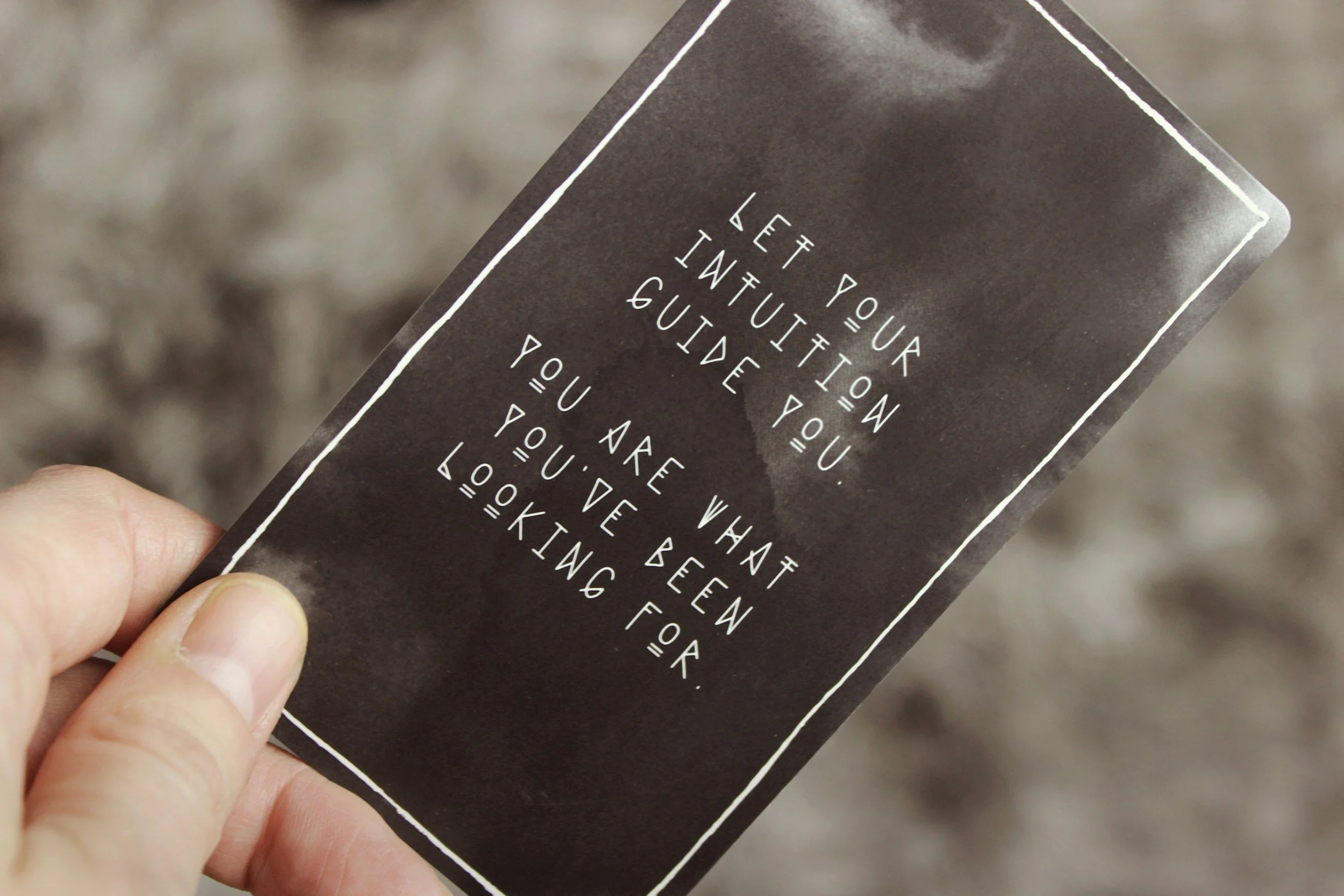
That’s so powerful!
So, next time you’re in need of a little more clarity or motivation, why not start by asking yourself some simple questions and see where it takes you?
A little note before you go: journalling can be a wonderful tool for reflection and self-exploration, but it isn't a substitute for therapy or professional mental health support. If you're struggling with something that feels bigger than journalling can hold, please reach out to a suitably qualified professional.